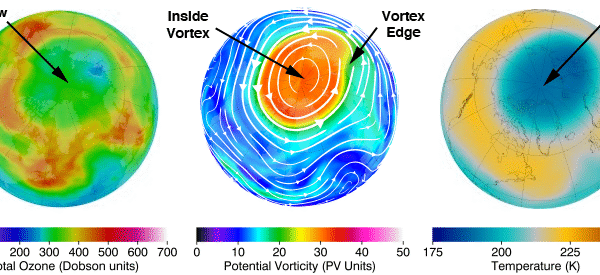
Scientists investigate Arctic warming’s impact on polar vortex
Researchers are focused on how rising temperatures at the North Pole may be disrupting the vortex and allowing arctic air to spill into lower latitudes.
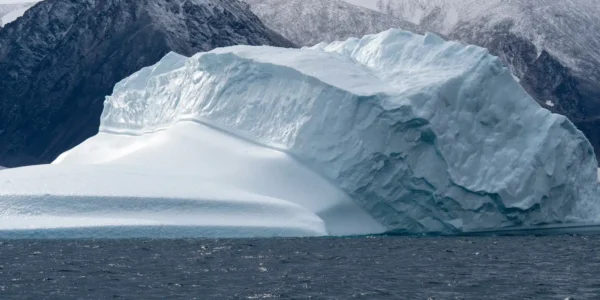
How Climate Change Amplifies Arctic Tensions, But Does Not Drive It
The Arctic is warming four times faster than the global average, significantly changing the region’s environment and geopolitical landscape.
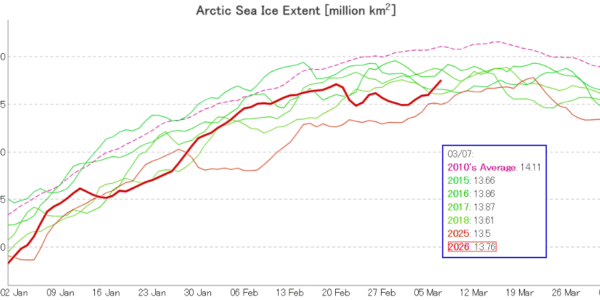
Facts About the Arctic in March 2026
JAXA Arctic sea ice extent has just reached a new high for the year.
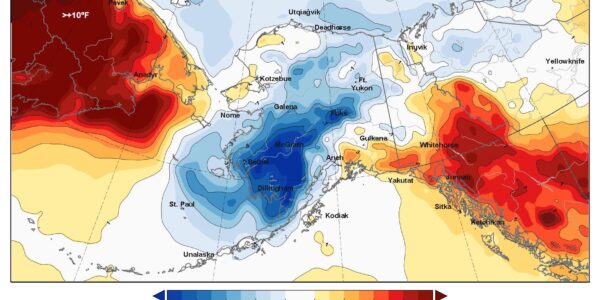
January 2026 Arctic and Alaska Climate Review
January 2026 temperature departures from the 1991-2020 baseline around the Arctic showed notable cold and mild areas, though of course there was a much larger area above normal than below.

Thousands of alien species could invade the Arctic
Warmer temperatures and more tourists make it easier for non-native species to get a foothold in northern outposts in Arctic.
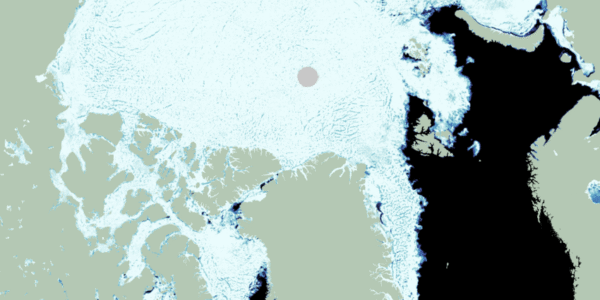
Facts About the Arctic in February 2026
Hudson Bay has fully frozen over during January. However, there is still open water north of Svalbard and in the North Water Polynya.
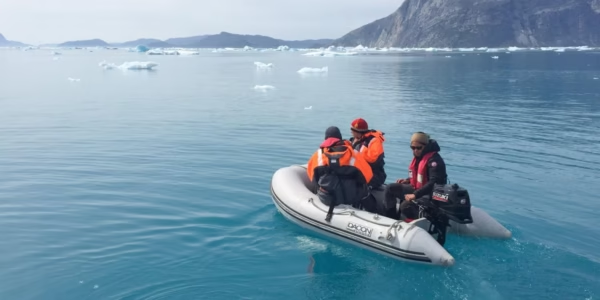
Greenland will release more sediment into the ocean as the climate warms
Greenland’s winding, rocky fjords are no strangers to research vessels. Usually, these boats give icebergs a wide berth, because they can roll over unexpectedly.
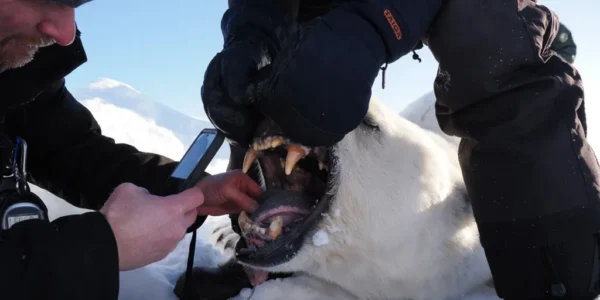
Norwegian Polar Bears Show Unexpected Weight Gain
This unexpected finding challenges assumptions about Arctic wildlife responses to climate change, creating some hope in adaptation responses.
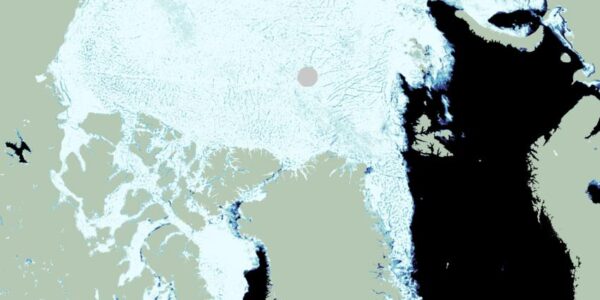
Facts About the Arctic in January 2026
Note that for the hardy, swimming is still possible north of Svalbard, in parts of Hudson Bay and the North Water Polynya.