
ICC urges recognition of Indigenous Peoples in global biodiversity efforts at COP16
As the international community gathers for COP16 in Cali, Colombia, the international organization representing Inuit is highlighting the importance of recognizing Indigenous Peoples in global biodiversity efforts.
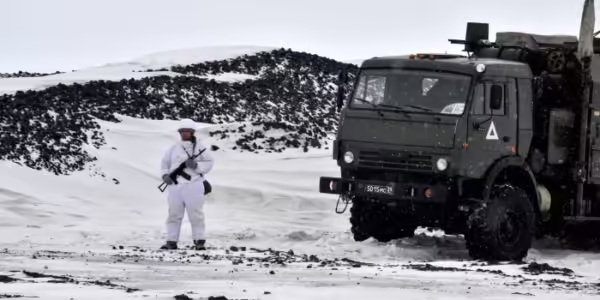
Russia ‘withholding’ vital climate data in the Arctic
Nato has warned that Russia is withholding vital data needed for scientists to model the scale and effects of climate change from the Arctic.
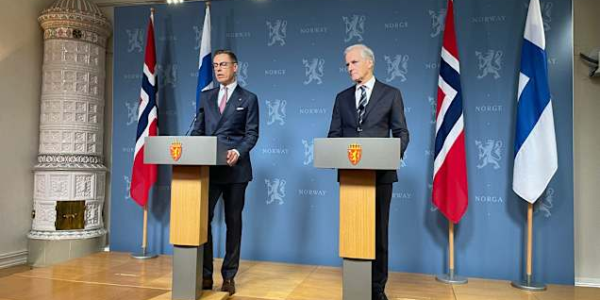
Finland, Norway discuss rail, road connections for military
Finnish President Alexander Stubb and Norwegian Prime Minister Jonas Gahr Støre discussed Nato cooperation and international conflicts in Oslo.
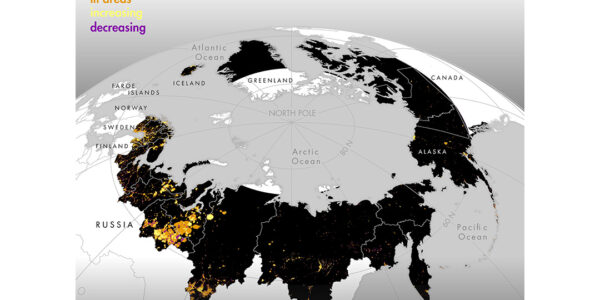
The Arctic is getting more light pollution due to increasing industrial activities
The area affected by oil and gas production and mining in the Arctic is growing every year, as a new study by the University of Zurich shows.

Protecting the Artic sea ice with Arctic Reflections and BlueInvest
Arctic Reflections is on a mission to protect Arctic Sea ice, which functions as a natural heat shield and plays a significant role in cooling the planet.
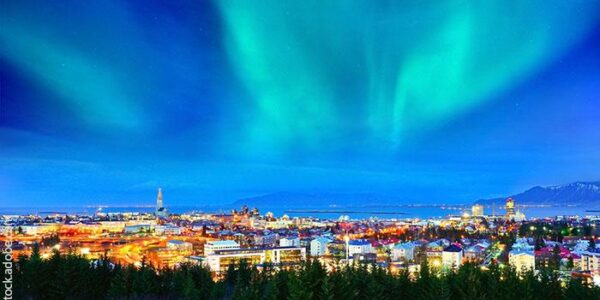
EU boosts innovation for Arctic sustainable development
The EU plays a critical role supporting innovation to drive sustainable economic development in the Arctic.

Arctic freshwater impacts carbon exchange
Researcher examines increasing freshwater effects on the Arctic Ocean and climate.

“China’s Intentions in The Arctic Are Unclear – And That is a Growing Concern”
The NATO officer also takes into account climate change and ice-free Arctic waters. If this happens, resources may become more accessible, such as moving fish stocks, oil, gas and minerals.

BRICS As a New Dream Team for Arctic Council’ Asian Observers?
This is because, according to the rules of the observer states, their participation in the Arctic Council is mainly at the working group level and they can only propose projects through an Arctic state or a permanent participant.