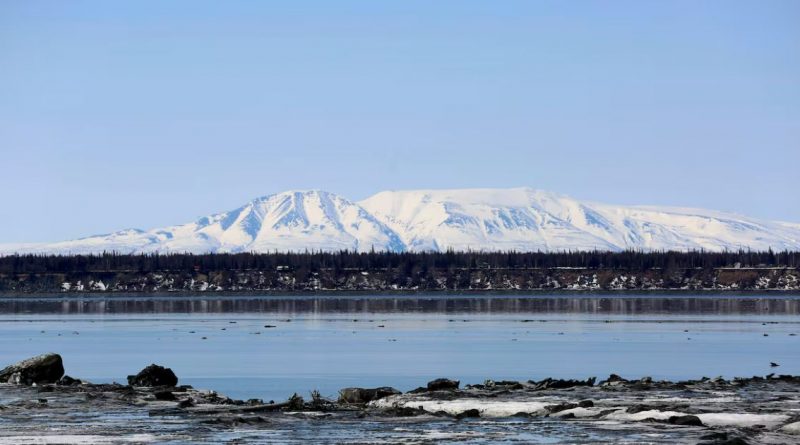
Eye on the Arctic shared on March 5 that the Trump administration’s first offshore oil and gas lease sale in Alaska’s Cook Inlet received zero bids. The auction covered more than 400,000 hectares and was the first of six sales mandated through 2032 under President Trump’s One Big Beautiful Bill Act. Bids were due on March 3, yet the Bureau of Ocean Energy Management confirmed that none were received. (Eye on the Arctic)
Although the Trump administration rescinded Biden-era restrictions on oil and gas drilling in Alaska to promote greater energy independence, the lease sales continue to conclude with little to no bids. The failure of the recent Cook Inlet offshore lease sale is therefore not an isolated incident but speaks to a pattern of industry hesitancy. The previous federal offshore lease sale in the Cook Inlet, in December 2022, drew only one bid, despite nearly 1 million acres being offered.
There are currently eight federal leases active in Cook Inlet, all of which are owned by Hilcorp, but none of them are currently producing gas or oil. Similarly, a second lease sale In Alaska’s Arctic National Wildlife Refuge in January 2025 received zero bids, following an equally underwhelming sale in 2021. High costs are a key reason: drilling in Arctic conditions requires substantial upfront investment, long timelines, and expensive infrastructure.
Moreover, long-term returns are uncertain and other opportunities elsewhere in the world have become more attractive to investors. Environmental risks and reputational costs add another layer of uncertainty.
Ongoing public opposition and broader climate risks surrounding Arctic economic development and fossil fuel expansion complicate efforts to finance and justify such projects.
When Norway sought to initiate deep-sea mining in its Arctic waters in 2024, overwhelming public backlash halted these plans. From now until 2032, there will be five more federal lease sales in Cook Inlet, which are likely to attract little industry interest as well. (CNN, Eye on the Arctic, New York Times).
Source – https://www.thearcticinstitute.org/arctic-week-take-five-week-2-march-2026/