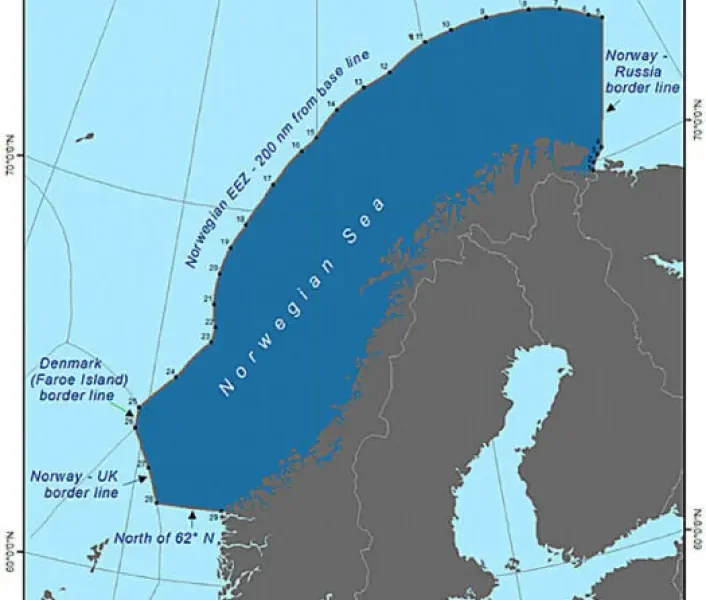
On 2 March, High North News reported that new Emission Control Areas in the Canadian Arctic and Norwegian Sea entered into force on 1 March, extending stricter emission standards to shipping in the region. Adopted by the International Maritime Organization in October 2024, the measures will introduce tighter regional limits on sulphur oxides, nitrogen oxides and particulate matter from ships. The new sulphur limit will apply to all ships from 1 March 2027, while stricter engine requirements for nitrogen oxides will apply only to newly built vessels. (High North News)
By applying stricter sulfur and nitrogen oxide standards, the new emission control areas (ECAs) bring parts of the Arctic in line with other maritime regions subject to enhanced emission controls, like the North Sea. Nevertheless, their practical impact on Arctic shipping operations will remain limited in the near term.
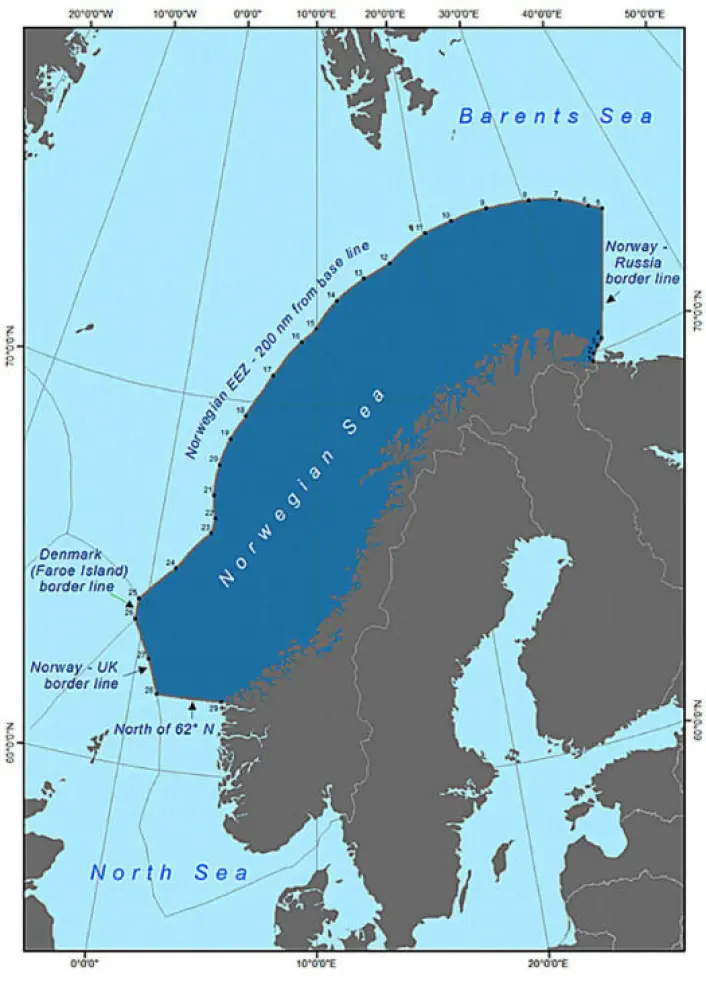
When stricter sulphur limits take effect in March 2027 they will apply to all ships transiting these areas, but nitrogen oxide requirements will apply only to newly constructed vessels. As a result, much of the existing fleet operating in the Arctic will continue under existing engine standards for years to come. Environmental improvements will therefore only unfold gradually. This highlights the persistent difficulty in reaching concrete and impactful agreements on stricter environmental standards for Arctic shipping.
Another recent example emerged during discussions at the International Maritime Organization where member states were unable to reach agreement on proposals related to so-called “polar fuels.” These proposals aimed to promote fuels considered more suitable for Arctic shipping by encouraging the use of cleaner distillate fuels that would reduce emissions of black carbon. Black carbon remains one of the most pressing unresolved issues in Arctic shipping governance. Resulting from incomplete combustion of fossil fuels, this short-lived pollutant has a disproportionately strong warming effect in the Arctic.
When black carbon is deposited on snow and ice, it undermines the albedo effect by darkening surfaces and reducing their reflectivity. This, in turn, leads to faster melting and contributes to regional warming. As shipping activity increases across the Arctic, stronger regulations are needed to curb black carbon, promote cleaner fuel standards, and ensure meaningful reductions in pollution. (High North News, Safety4Sea).
Source – https://www.thearcticinstitute.org/arctic-week-take-five-week-2-march-2026/