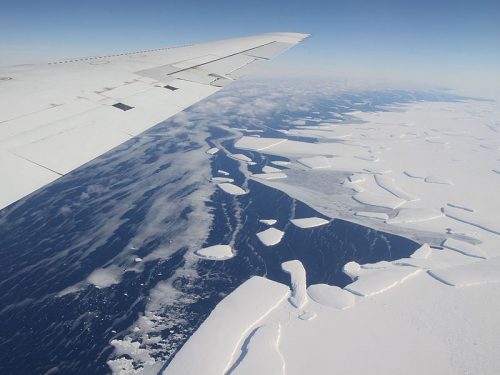
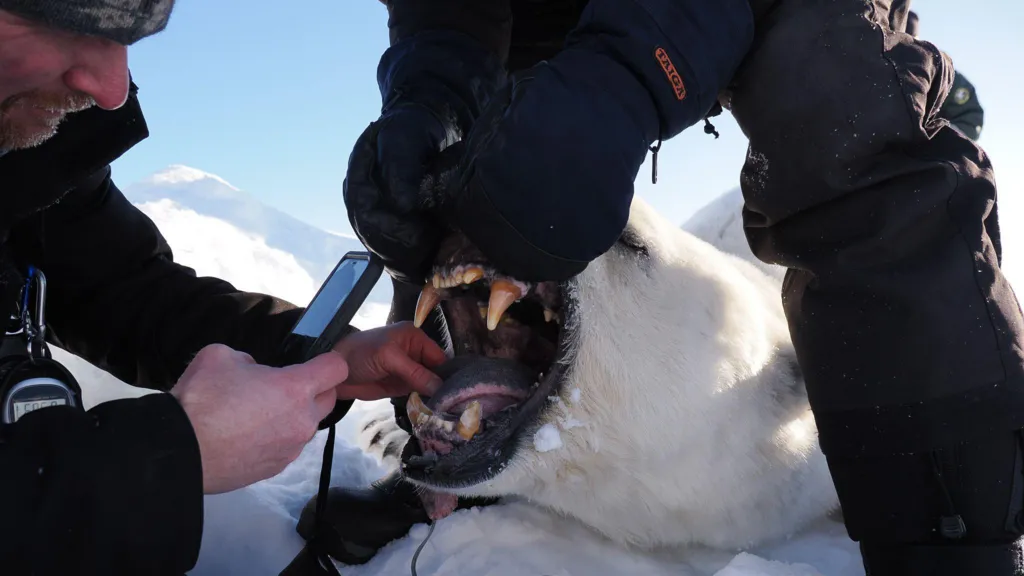
BBC News reported on January 29 that polar bears in Norway’s Svalbard archipelago have increased average body mass and fat reserves since the early 1990s despite steady sea ice decline. Researchers from the Norwegian Polar Institute weighed and measured 770 adult bears between 1992 and 2019 and found bears had improved body condition, even as ice-free days increased by almost 100 during that period. The scientists believe Svalbard bears have adapted to ice loss by eating more land-based prey including reindeer and walruses. (BBC News)
This unexpected finding challenges assumptions about Arctic wildlife responses to climate change, creating some hope in adaptation responses. Walrus population recovery after hunting has provided polar bears with new fatty food sources, while reindeer populations have also increased in recent decades. Seals are also forced to congregate in smaller areas with less ice, making them easier targets for bears and offsetting some hunting difficulties from ice loss. However, researchers emphasize this improvement won’t last as continued ice decline forces bears to travel further to reach hunting grounds, depleting the fat reserves they’re currently building. Other Svalbard research shows more ice-free days already reduce cub survival and threaten subadult and old females.
In Canada’s Western Hudson Bay, polar bear populations are declining directly from warming temperatures, showing how regional differences create varied short-term outcomes. This research highlights how we cannot take the temporary resilience through behavioral adaptation for granted as these adaptations cannot compensate for fundamental habitat loss as sea ice continues disappearing. Arctic populations need sea ice to survive, and without reversing ice loss trends, even populations showing current resilience will eventually face the same declining trajectory. (Arctic Ice Project, Nature)
Source – https://www.thearcticinstitute.org/arctic-week-take-five-week-26-january-2026/