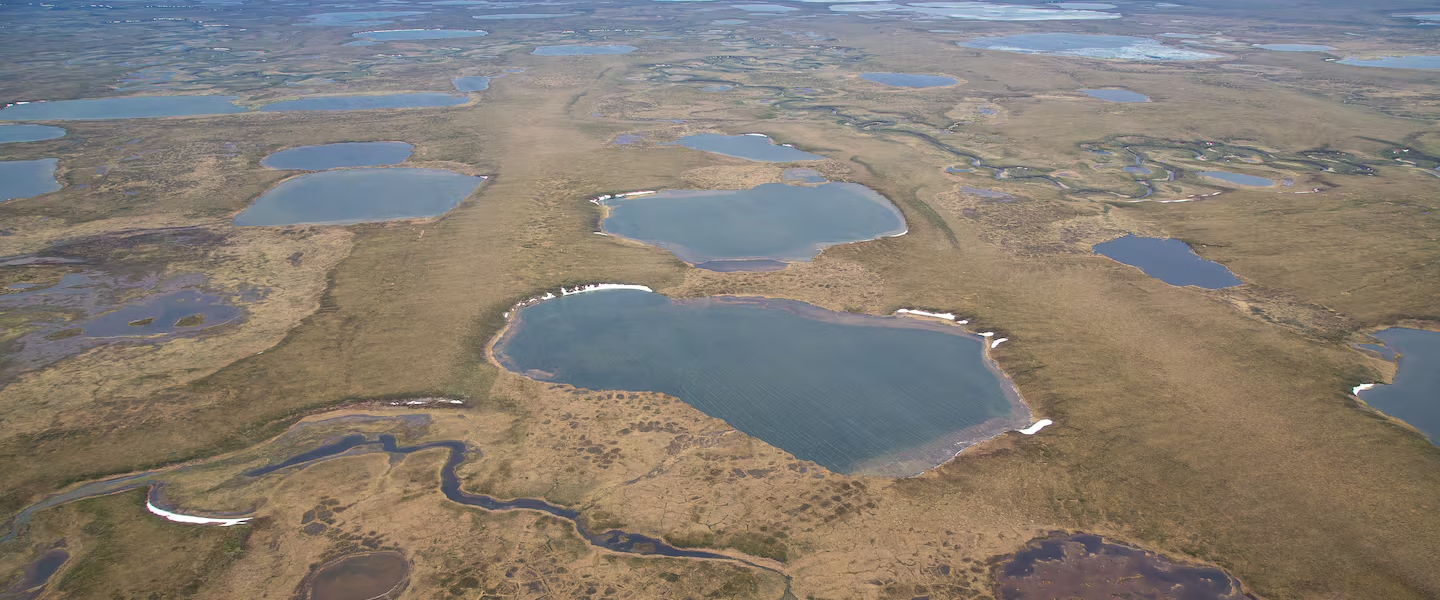
Inside Climate News reported on January 28 that an oil rig toppled onto the tundra in Alaska’s National Petroleum Reserve last week while en route to drill for ConocoPhillips‘ winter exploration program. The rig was carrying approximately 4,000 gallons of diesel when it fell, igniting a fire and spilling fuel less than 500 feet from a tributary to the Colville River. Five days after the incident, severe weather prevented crews from responding to the spill or assessing damage. (Inside Climate News)
This accident exposes the environmental vulnerabilities created by rushing Arctic oil exploration without adequate safeguards. ConocoPhillips received federal approval for this exploration program with only one week of public comment, pushing industrial activity deeper into the wilderness areas and prime subsistence hunting grounds of Nuiqsut, home to many Iñupiat residents. The expansion into high-density caribou habitat threatens Indigenous subsistence resources that community members depend on culturally and economically. The rig collapsed during unusually warm weather which can weaken frozen tundra, showing the risks of Arctic industrial operations under the unpredictable hazards created by climate change.
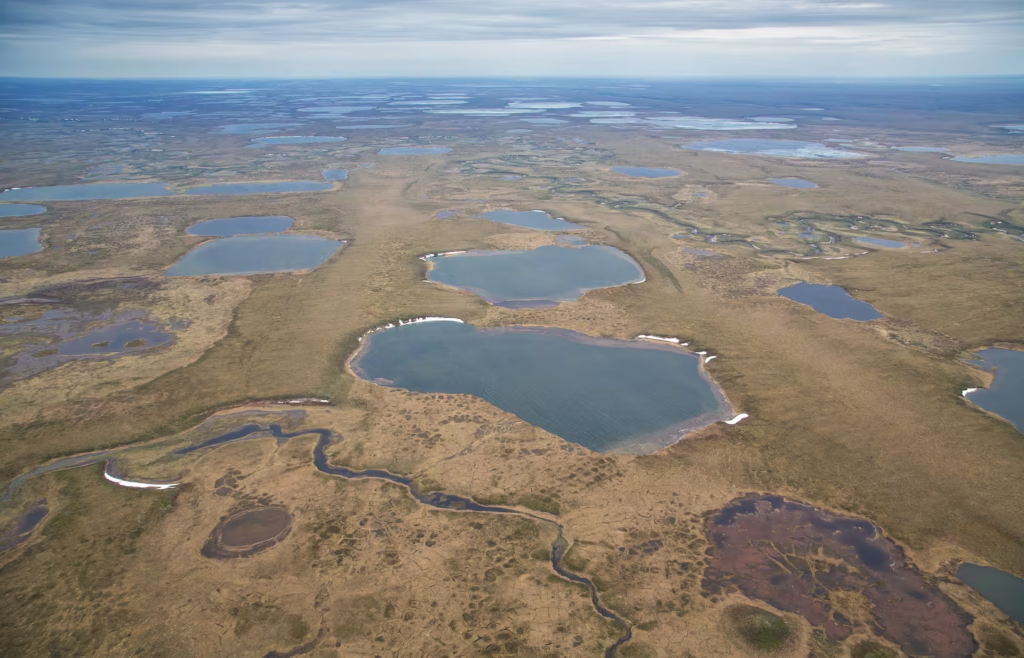
Despite the accident, a federal judge allowed ConocoPhillips to continue exploration using a different rig. The Trump administration’s rollback of Biden-era protections for the petroleum reserve enables this accelerated drilling and triggers domino effects of expanded Arctic development. The safety risks for Arctic communities have been ignored to prioritize economic profits over environmental protection and cultural preservation. As Arctic warming accelerates and industrial pressure intensifies, incidents like this will become more common, with Indigenous communities facing the consequences of development decisions made without their input. (Anchorage Daily News, ScienceDirect, The Indigenous Foundation)
Source – https://www.thearcticinstitute.org/arctic-week-take-five-week-26-january-2026/